
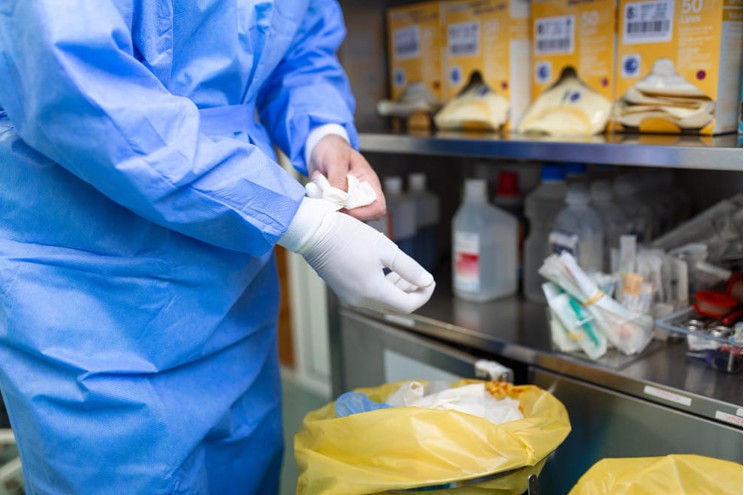
Why Medical Waste Management is Becoming a Strategic Imperative in Healthcare
Medical waste is an often-overlooked byproduct of modern healthcare systems, yet it carries serious environmental and public health implications that cannot be ignored. From hospitals and clinics to laboratories and home care settings, every healthcare activity generates some form of waste that requires careful handling and disposal. Understanding medical waste is essential because improper management can lead to infections, environmental contamination, and long-term risks for communities and ecosystems.
Medical waste generally refers to any waste material that is generated during the diagnosis, treatment, or immunization of humans and animals. This includes items such as used syringes, contaminated bandages, surgical instruments, pharmaceutical waste, and even chemical byproducts from laboratories. While some of this waste is non-hazardous, a significant portion is classified as infectious, toxic, or radioactive, making its management both complex and critical. According to widely accepted healthcare waste classifications, improper segregation at the source remains one of the biggest challenges faced by medical institutions globally.
Interestingly, the economic dimension of medical waste management is also gaining attention as healthcare systems expand worldwide. I came across an article by Roots Analysis which highlighted that the medical waste management market size was valued at USD 5.1 billion in 2024 and is projected to reach USD 5.5 billion in 2025 and USD 19.4 billion by 2035, growing at a compound annual growth rate of 13.4 percent during the forecast period from 2025 to 2035. This rapid growth reflects increasing regulatory pressure, rising healthcare activities, and greater awareness about safe waste disposal practices across both developed and developing economies.
What makes medical waste particularly concerning is its potential to spread infections if not handled correctly. Items like needles and sharps can cause injuries and transmit diseases such as hepatitis or HIV when disposed of carelessly. Similarly, pathological waste and contaminated materials can become breeding grounds for harmful microorganisms if left untreated. This is why healthcare systems are required to follow strict protocols for segregation, storage, transportation, and final disposal of such waste. The importance of these protocols aligns with broader quality and safety principles emphasized in global guidelines that stress accuracy, trust, and harm prevention in sensitive topics like healthcare.
The process of managing medical waste typically begins with proper segregation at the point of generation. Waste is categorized into different types such as infectious, sharps, pharmaceutical, chemical, and general waste. Each category requires a specific method of handling and disposal, which may include incineration, autoclaving, chemical treatment, or secure landfilling. However, in many developing regions, lack of infrastructure and awareness often leads to improper disposal practices, increasing the risk of environmental pollution and public health hazards.
Another critical aspect of medical waste is its environmental impact, which extends far beyond healthcare facilities. When waste is burned without proper control, it can release toxic emissions such as dioxins and furans into the atmosphere. Similarly, dumping untreated waste in landfills can contaminate soil and groundwater, affecting agriculture and drinking water supplies. These consequences highlight the need for sustainable waste management practices that balance healthcare needs with environmental protection. The growing awareness around sustainability has encouraged innovations such as non-burn technologies and waste minimization strategies, which aim to reduce the overall burden of medical waste.
Despite technological advancements and regulatory frameworks, there are still several challenges that hinder effective medical waste management. One of the most significant issues is the lack of training among healthcare workers regarding proper waste segregation and handling procedures. Additionally, financial constraints often limit the adoption of advanced waste treatment technologies, especially in smaller healthcare facilities. Addressing these challenges requires coordinated efforts from governments, healthcare providers, and waste management companies to ensure that standards are consistently implemented.
Looking ahead, the future of medical waste management will likely focus on innovation, sustainability, and stricter compliance with global standards. Technologies such as automated waste segregation systems, advanced sterilization methods, and digital tracking of waste streams are expected to play a major role in improving efficiency and safety. At the same time, increasing public awareness and policy interventions will continue to push healthcare systems toward more responsible waste management practices.
In conclusion, medical waste is not just a byproduct of healthcare but a critical issue that intersects with public health, environmental sustainability, and economic development. Proper management of this waste is essential to prevent harm, protect ecosystems, and ensure that healthcare systems operate responsibly. By understanding its risks and adopting effective solutions, societies can move toward a safer and more sustainable approach to handling medical waste while maintaining high standards of care and safety.