
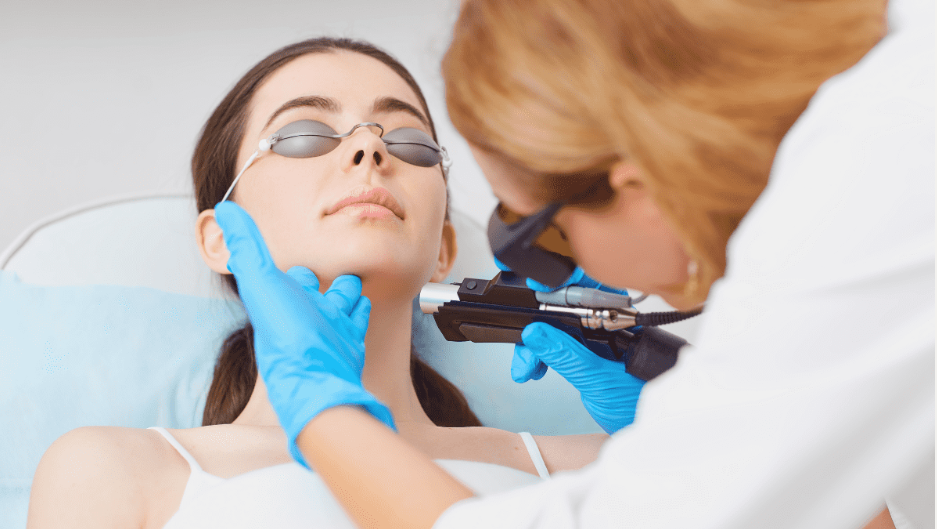
Do your eyes always look tired, even after a good night’s sleep? Puffy under-eyes, sagging lids, or extra skin around the eyes can make you look older than you feel. The solution many people are turning to is Eyelid Blepharoplasty—a surgical procedure that rejuvenates the eyes by removing excess skin, fat, and puffiness. It’s one of today’s most requested cosmetic surgeries because it delivers long-lasting, natural results.
What Exactly Is Eyelid Blepharoplasty?
Eyelid blepharoplasty, commonly known as eyelid surgery, is a cosmetic (and sometimes functional) procedure designed to improve the appearance of the upper and/or lower eyelids. It can:
- Smooth sagging upper eyelids
- Remove under-eye bags
- Tighten loose skin around the eyes
- Restore a more alert, youthful appearance
There are two main approaches:
- Upper Eyelid Blepharoplasty: Focuses on droopy or hooded lids.
- Lower Eyelid Blepharoplasty: Corrects puffiness and bags under the eyes.
Some patients choose to have both done at once for a complete eye refresh.
Why People Love This Procedure
Blepharoplasty is not just about beauty—it’s about how you feel when you look in the mirror. Here are the biggest benefits:
Younger, Brighter Eyes – Instantly reduces tired or aged appearance.
Clearer Vision – Helps when sagging skin actually blocks peripheral sight.
Confidence Boost – Many patients report looking more approachable and energized.
Lasting Results – Unlike fillers or Botox, results can last a decade or longer.
Who Makes a Good Candidate?
You might be the right fit for eyelid surgery if you:
- Have droopy upper lids or noticeable under-eye bags
- Struggle with vision issues caused by heavy eyelids
- Are healthy, non-smoker, and without major medical concerns
- Want natural, refreshed results rather than an overdone look
Pro tip: Always choose a board-certified plastic or oculoplastic surgeon for safety and the best outcome.
How the Procedure Works (Step by Step)
Curious about what actually happens during eyelid blepharoplasty? Here’s a quick breakdown:
- Consultation & Planning: Your surgeon evaluates your eyelid structure and discusses goals.
- Anesthesia: Usually local anesthesia with sedation or, in some cases, general anesthesia.
- Incisions:
- Upper lids: A small incision is made along the natural eyelid crease.
- Lower lids: The incision may be made just under the lash line or inside the lid.
- Correction: Excess skin, fat, and muscle are removed or repositioned.
- Closing the Incision: Tiny sutures are used and carefully hidden in natural folds.
The entire surgery usually takes 1–2 hours and is outpatient-based.
Recovery: What to Expect After Surgery
The healing process is surprisingly manageable:
- Days 1–3: Swelling and bruising peak—cold compresses help a lot.
- Day 4–7: Stitches (if not dissolvable) are removed.
- Week 1–2: Most people return to work or normal activities.
- 1 Month+: Final results become more visible as swelling disappears.
Aftercare matters: keep your head elevated, avoid rubbing your eyes, and wear sunglasses outdoors for protection.
What About Risks?
Like all surgeries, eyelid blepharoplasty has potential risks, though serious complications are rare. Possible side effects include:
- Temporary blurry or dry eyes
- Mild scarring (usually hidden in eyelid creases)
- Infection or bleeding (uncommon)
- Asymmetry in healing
Choosing an experienced surgeon greatly minimizes these risks.
How Much Does Eyelid Blepharoplasty Cost?
On average in the U.S., upper or lower eyelid surgery costs $3,000 to $6,000. Prices vary depending on the surgeon’s experience, location, and whether you have both eyelids done.
If sagging lids are impairing your vision, some insurance plans may cover part of the procedure. Cosmetic-only cases are usually out of pocket.
Are There Alternatives?
If you’re not ready for surgery, there are temporary options:
- Botox: Softens wrinkles and crow’s feet.
- Fillers: Can reduce hollow under-eyes.
- Laser or Radiofrequency: Tightens skin non-surgically.
But here’s the truth: these treatments don’t remove excess skin. For long-term correction, blepharoplasty remains the gold standard.
The Bottom Line
Your eyes are the first thing people notice—and when they look heavy or puffy, you may feel older than you really are. Eyelid blepharoplasty offers a safe, effective way to restore youthfulness, confidence, and in some cases, even vision.
From puffy to perfect, this surgery proves that sometimes the smallest change makes the biggest difference.